
 The 1970 FIFA World Cup was staged at five venues in Central Mexico, all of which were at altitudes of 1,500 metres or higher, between May 31 and June 21, 1970. As was customary at the time, the tournament format consisted of four groups of four teams, with the top two teams in each group progressing to the quarter-final stage.
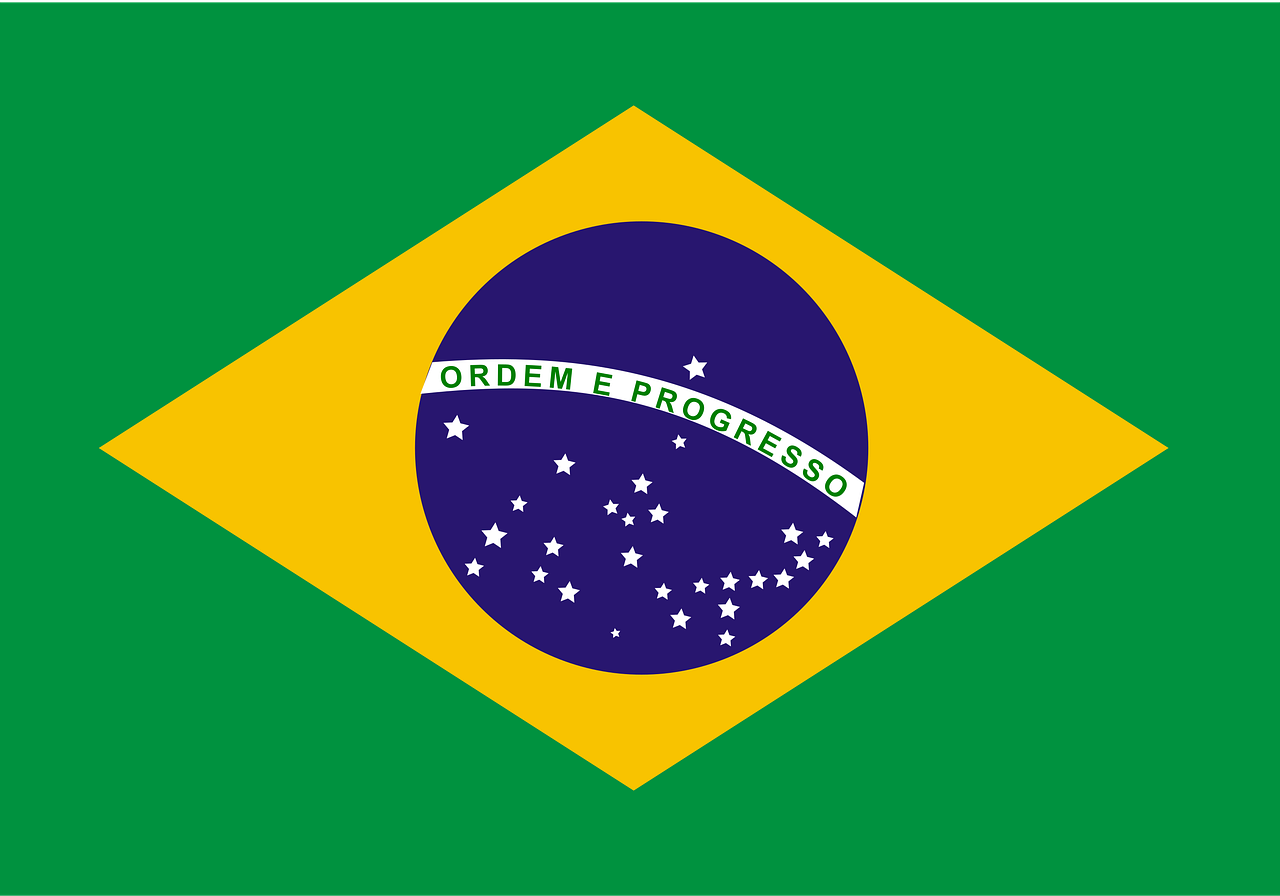
The eventual winners, Brazil, had already won the Jules Rimet Trophy twice before, in 1958 and 1962, and were thus presented with the trophy on a permanent basis, with the current FIFA World Cup Trophy introduced for the next tournament in 1974. Brazil featured a star-studded lineup, which included the likes Pelé, Jairzinho and Rivellino among others, and having won all their qualification fixtures did likewise in Mexico.
Three group matches at Estadio Jalisco in Guadalajara resulted in a 4-1 defeat of Czechoslovakia, a 1-0 defeat of England and a 3-2 defeat of Romania, with Jair Ventura Filho, better known as Jairzinho, on the scoresheet at least once in all three matches. Jairzinho scored again in 4-2 quarter-final defeat of Peru and a 3-1 defeat of Uruguay, both at Estadio Jalisco, to set up a final meeting with Italy at Estadio Azteca in Mexico City. The Italians had eventually beaten West Germany 4-3 after extra time in a thrilling semi-final that featured five goals in extra time.
In the final, Pelé opened the scoring with a headed goal after 18 minutes, only to see his effort cancelled out by Roberto Boninsegna shortly before half-time. However, Brazil led again, 2-1, and then 3-1, thanks to goals from Gérson and Jairzinho, again, after 66 and 71 minutes, respectively. The best was still to come, with a final goal scored by Brazilian captain Carlos Alberto after a move involving all bar two outfield players. Pelé laid the ball off to Alberto, arriving at a rate of knots on the right of the penalty area, and he duly blasted the ball, left-footed, beyond goalkeeper Enrico Albertosi to complete a famous 4-1 victory. The goal remains one of the greatest in World Cup history.